
Why oil prices matter to investors
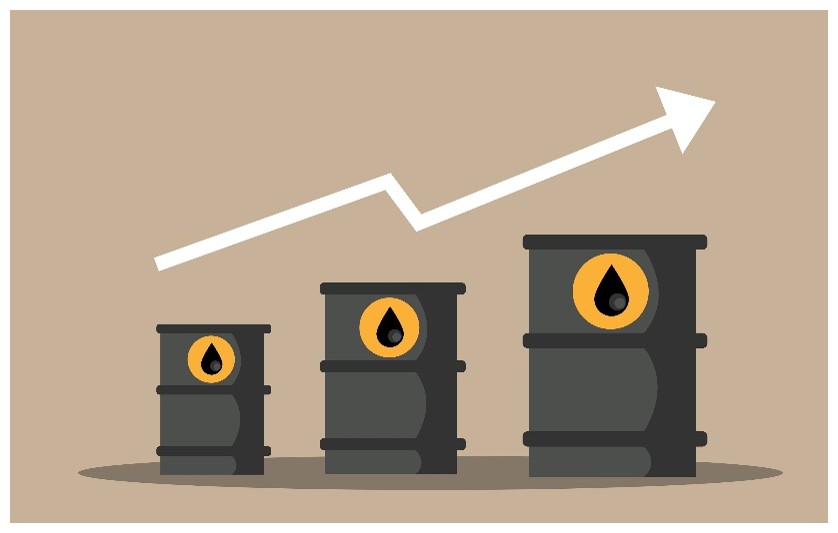
Sharp increases in oil prices, driven by ongoing conflict in the Middle East, have become a central focus for financial markets. While the impact is most visible at the petrol pump, higher energy costs are already feeding through the economy, adding to inflation pressures and shaping expectations for interest rates, economic growth, and investment returns.
The impact on inflation and economic growth
Oil is an essential input across the global economy. Higher prices increase transportation, manufacturing and production costs, which businesses may pass on to consumers, contributing to higher inflation. At the same time, rising petrol and energy bills leave households with less money to spend on other goods and services. If sustained, these pressures can weaken consumer spending, squeeze business profitability and slow economic growth. This creates a challenging combination of higher inflation and weaker economic activity, particularly for countries heavily reliant on imported energy. Conversely, oil-producing nations and energy companies may benefit from higher prices.
What it means for interest rates and bonds
Higher energy prices can also complicate interest-rate decisions. Central banks, including the Reserve Bank of Australia, use interest rates to help control inflation. When oil prices push inflation higher, central banks may need to keep rates elevated for longer, even as economic growth slows.
Bond markets respond to these changing expectations. If investors anticipate higher inflation or interest rates, government bond yields can rise. Because bond prices and yields move in opposite directions, rising yields generally reduce the value of existing fixed interest investments. However, this relationship is not always straightforward. If higher energy costs significantly weaken economic growth, expectations of future interest rate cuts may instead place downward pressure on bond yields.
How share markets respond
The impact on share markets also varies. Energy producers can benefit from higher oil prices, while airlines, transport companies and manufacturers may face rising costs. Consumer-facing businesses can also come under pressure as households reduce discretionary spending. Higher bond yields can also weigh on interest-rate-sensitive sectors such as property, where borrowing costs and asset valuations are particularly important. However, company earnings, economic conditions and investor expectations all influence how markets ultimately respond.
For investors, the key consideration is whether an oil-price increase represents a temporary disruption or a more persistent economic challenge. While short-term price movements can create volatility, their lasting impact depends on how they affect inflation, growth and company profitability.
Ultimately, oil prices illustrate how closely connected the global economy and investment markets are. They also highlight the importance of diversification, as different assets, sectors and regions can respond very differently to the same economic developments.
Ironbark Advice is the sponsor of the Partners Portfolios. Ironbark Advice is comprised of the following wholly owned entities of Ironbark: Advice First Pty Ltd, Advisory Group Pty Ltd, ARTT Group Pty Ltd, Brisbane Financial Services Pty Ltd, Elevate Financial Solutions Pty Ltd, Emohruo Financial Services Pty Ltd, Invest Blue Armidale Pty Ltd, Invest Blue Brisbane Pty Ltd, Invest Blue Coffs Harbour Pty Ltd, Invest Blue Direct Pty Ltd, Invest Blue Gladstone Pty Ltd, Ogilvie Financial Services Pty Ltd, TDT (Tas) Pty Ltd, The Bravien Group Pty Ltd, Vintage Wealth Pty Ltd and Wainscott Financial Planning & Advice Pty Ltd, trading as Ironbark Advice are authorised representatives and credit representatives of Akumin Financial Planning Pty Limited, Australian Financial Services Licence and Australian Credit Licence No. 232706. Countrywide Advice Pty Ltd and GrowUp Financial Pty Ltd trading as Ironbark Advice are authorised representatives and credit representatives of Charter Financial Planning Limited, Australian Financial Services Licence and Australian Credit Licence No. 234665. GR & LC Thompson Pty Ltd trading as Ironbark Advice, is an authorised representative and credit representative of Hillross Financial Services Limited, Australian Financial Services Licence and Australian Credit Licence No. 232705. LFC Advice Pty Ltd (ABN 19 647 509 466) trading as Ironbark Advice, is a Corporate Authorised Representative of LFC Group Pty Ltd (ABN 35 644 576 965), AFSL 526600.